
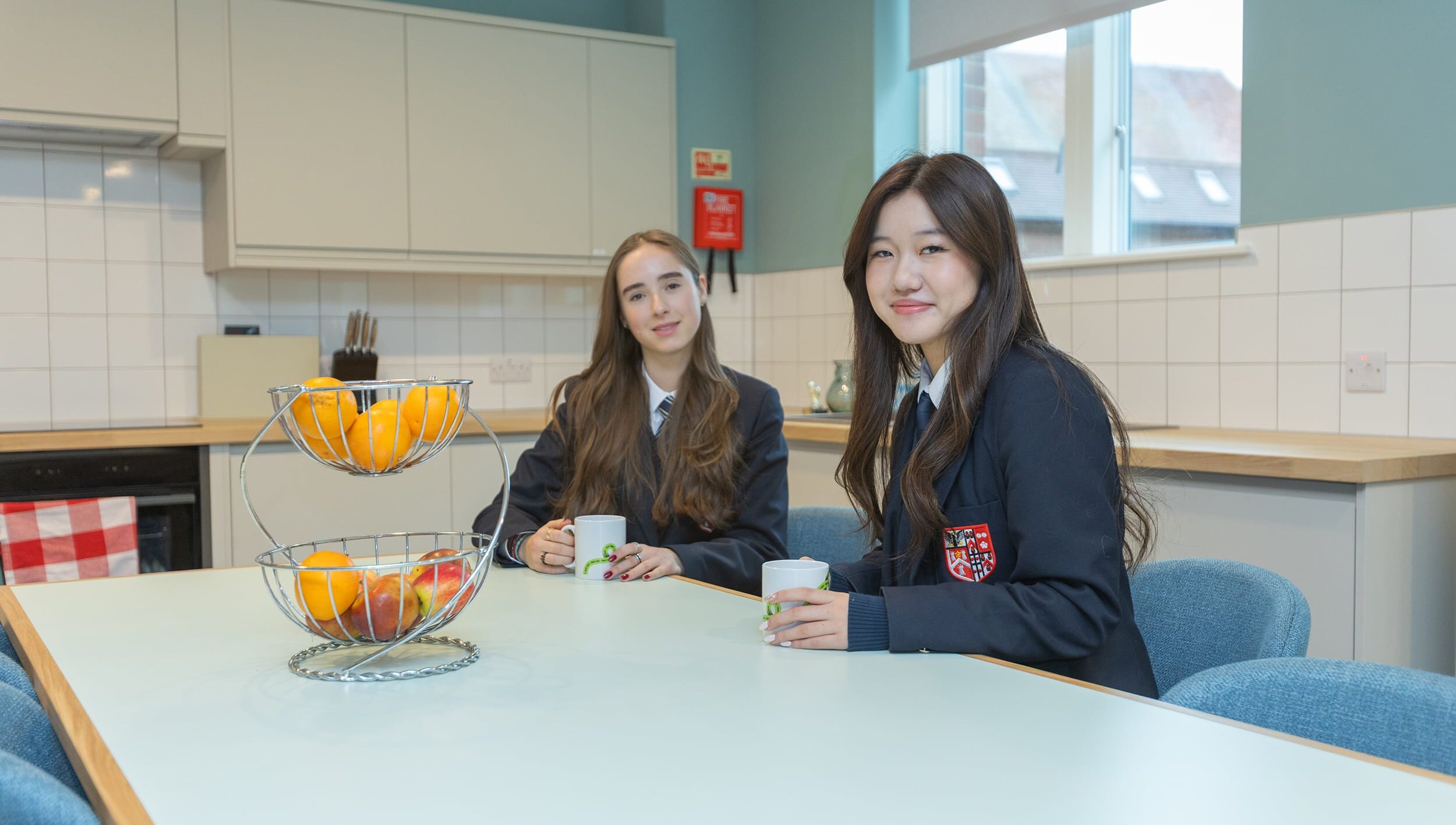
How do boarding schools help children develop independence?
Boarding schools help children develop independence by gradually increasing responsibility within a structured and supportive environment.
Within a boarding school setting, pupils learn to manage their time, organise their work, build relationships, and make everyday decisions for themselves, while still having access to guidance and pastoral care.
In practice, boarding school life supports independence through:
- structured daily routines that encourage organisation and time management
- opportunities to make decisions and take responsibility in a safe setting
- a balance of academic expectations and personal development
- strong pastoral support to guide pupils as they grow in confidence
- a community environment that builds resilience, collaboration, and self-awareness
The result is not sudden independence, but a steady development of confidence and capability over time.
Why independence matters in a school setting
Independence is a key skill that underpins both academic success and personal development.
As pupils progress through school, they are expected to take greater ownership of their learning, manage competing demands, and prepare for life beyond school.
A boarding school environment supports this by giving pupils regular opportunities to practise these skills in a structured, supportive setting.
Rather than being something pupils are expected to figure out later, independence is developed gradually through everyday experience.

How boarding school life builds independence in practice
Boarding schools encourage independence through daily routines and shared responsibility.
Pupils learn to manage their schedules, balance academic work with extracurricular activities, and take responsibility for their personal organisation.
Living alongside peers also develops important life skills such as communication, cooperation, and respect for others.
Because these experiences happen consistently, independence becomes a natural part of daily life rather than something taught in isolation.
The role of structure and support
A key strength of boarding schools is that independence develops alongside strong support systems.
Clear routines, expectations, and boundaries provide stability, while staff are available to guide pupils when needed.
This balance ensures that pupils are challenged appropriately without feeling overwhelmed.
Pastoral care plays an important role here, helping pupils navigate both academic pressures and personal development as they grow in confidence.
Building confidence and resilience
Boarding school life also supports the development of resilience.
Pupils learn to adapt to new situations, solve problems, and build confidence in their own abilities.
They experience a sense of achievement from managing their responsibilities, which contributes to greater self-belief over time.
These qualities are particularly valuable as pupils move towards Sixth Form, university, and future pathways.
How this works at Brentwood School
Boarding at Brentwood School is designed to support pupils as they develop independence within a structured and caring environment.
Pupils are encouraged to take increasing responsibility for their time, learning, and daily routines, while benefiting from consistent guidance and support from experienced staff.
The boarding community provides a strong sense of belonging, helping pupils build friendships, confidence, and social awareness alongside their academic development.
This approach reflects Brentwood’s wider ethos of Virtue, Learning, Manners, ensuring that independence is developed alongside character, responsibility, and respect for others.
Support is further strengthened through access to the Senior School Wellbeing Centre. This purpose-built space provides pupils with a calm and supportive environment for guidance and reflection, helping them maintain balance as they navigate both academic expectations and personal growth.
The result is an environment where pupils are prepared not only for academic success, but for life beyond school.
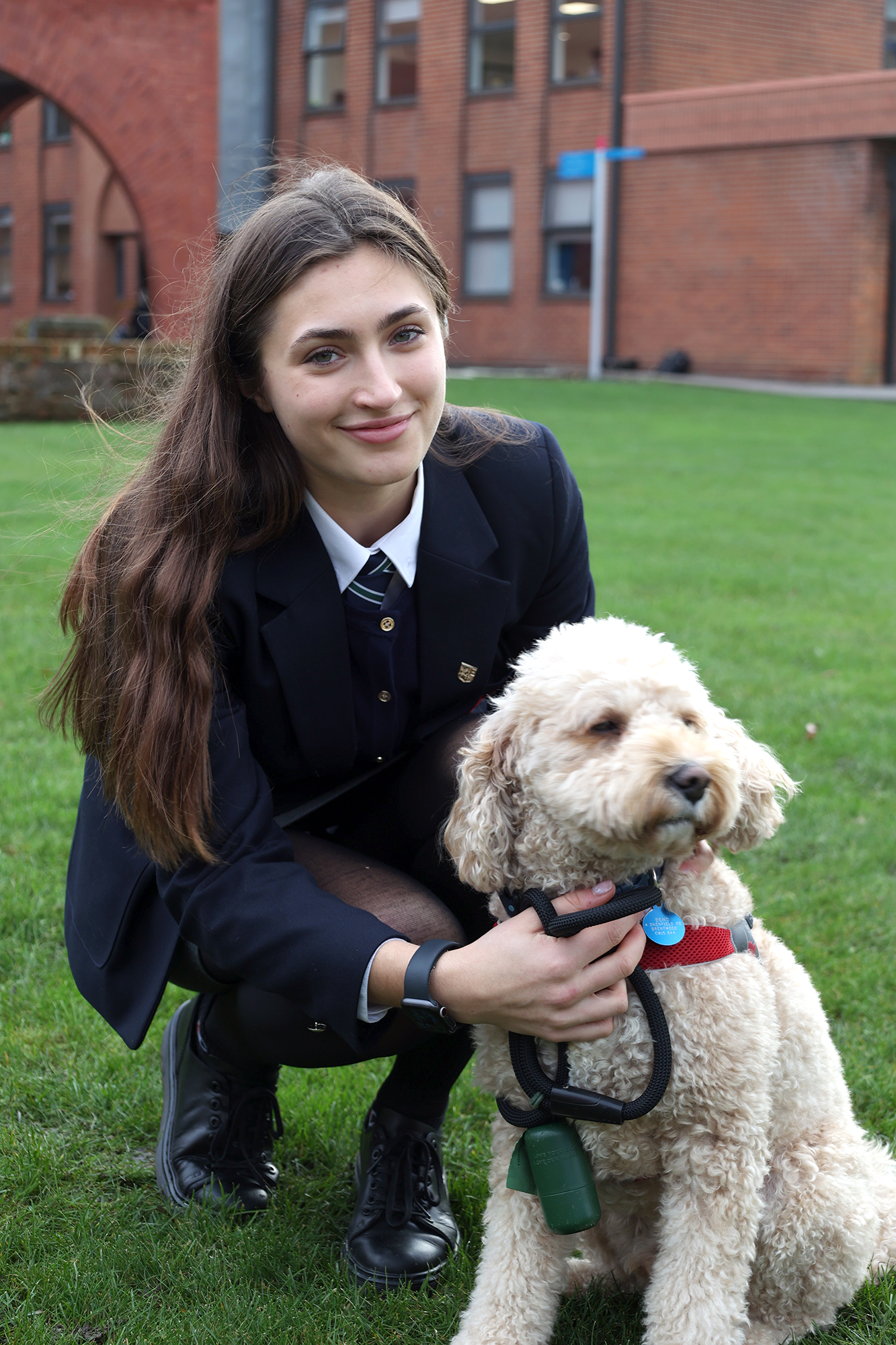
What families should consider when exploring boarding schools
When thinking about boarding schools, families may wish to reflect on:
- how independence is supported alongside structure and routine
- the strength of pastoral care and wellbeing provision
- opportunities for social development and community life
- how boarding fits with the pupil’s personality and stage of development
- the balance between academic focus and personal growth
These factors help ensure that boarding is a positive and supportive experience for each pupil.
Frequently asked questions
At what age is boarding appropriate?
Does boarding school make children more independent?
How do schools support pupils emotionally in boarding?
Is boarding school only for academic reasons?
Can pupils stay connected with their families?
Visiting Brentwood School
Seeing how boarding works in practice can provide valuable insight into how independence is developed and supported. Visiting Brentwood School offers families the opportunity to see the School in action, meet staff and pupils, and understand how boarding fits within the wider school experience.
If you are considering boarding for your child, we warmly encourage you to arrange a visit and experience the School’s approach first-hand.
Please make an appointment to book a tour of Brentwood School or attend one of our regular Open Mornings.


