
How does learning music help academic performance?
Learning music can support academic performance by developing skills that children use across the curriculum, including concentration, memory, listening, pattern recognition, discipline, and problem-solving.
Learning an instrument requires regular practice, attention to detail, and perseverance. Over time, these habits can help pupils become more confident and independent learners.
The benefits can reach well beyond music itself. The concentration, memory, listening, problem-solving, and self-discipline involved in learning music are skills pupils draw on across many areas of school life.
Some of the skills music can strengthen include:
- concentration and sustained attention
- memory and active listening
- pattern recognition
- organisation and time management
- perseverance and self-discipline
- creative and critical thinking
- confidence when working independently
These skills can support learning across many different subjects and remain valuable throughout a pupil’s education.
Music, concentration and memory
Learning music demands sustained attention.
A pupil learning an instrument must listen carefully, read notation, follow rhythm and timing, remember musical patterns, and coordinate several actions at once.
Regular practice encourages pupils to concentrate for increasingly sustained periods and to recognise that improvement often comes through repetition.
Memory is involved too. Musicians repeatedly recall melodies, rhythms, techniques, instructions, and sequences, exercising skills that are useful in many areas of learning.

Developing discipline and effective study habits
Progress in music rarely happens immediately.
Learning a difficult passage or mastering a new technique involves breaking a larger challenge into smaller sections, practising consistently, responding to feedback, and trying again when something does not work.
This process has clear parallels with academic study.
Pupils learn to manage frustration, identify where improvement is needed, and understand that consistent effort can produce progress. These habits can become particularly valuable as academic demands increase through Senior School and Sixth Form.
Pattern recognition and problem-solving
Music involves recognising and understanding patterns in rhythm, melody, harmony, and structure.
Pupils are continually interpreting information, anticipating what comes next, identifying mistakes, and deciding how to correct them.
This encourages flexible thinking and problem-solving rather than simply memorising information.
The ability to analyse a problem, experiment with different approaches, and refine a solution is useful across the curriculum, from mathematics and sciences to languages and humanities.
Creativity and critical thinking
Academic success is not based on memory alone. Pupils also need to interpret information, develop ideas, question assumptions, and communicate their thinking.
Music provides regular opportunities to practise these skills.
A musical score provides structure, but performing it also involves interpretation. Pupils make decisions about expression, phrasing, dynamics, and communication, developing confidence in forming and expressing their own ideas.
This combination of structure and creativity can encourage pupils to become more thoughtful and adaptable learners.
Confidence, perseverance, and academic learning
Learning music inevitably involves moments when something is difficult.
A piece may take weeks to master. A performance may not go exactly as planned. A pupil may need to repeat the same section many times before it feels right.
Working through these experiences can help children become more comfortable with challenge.
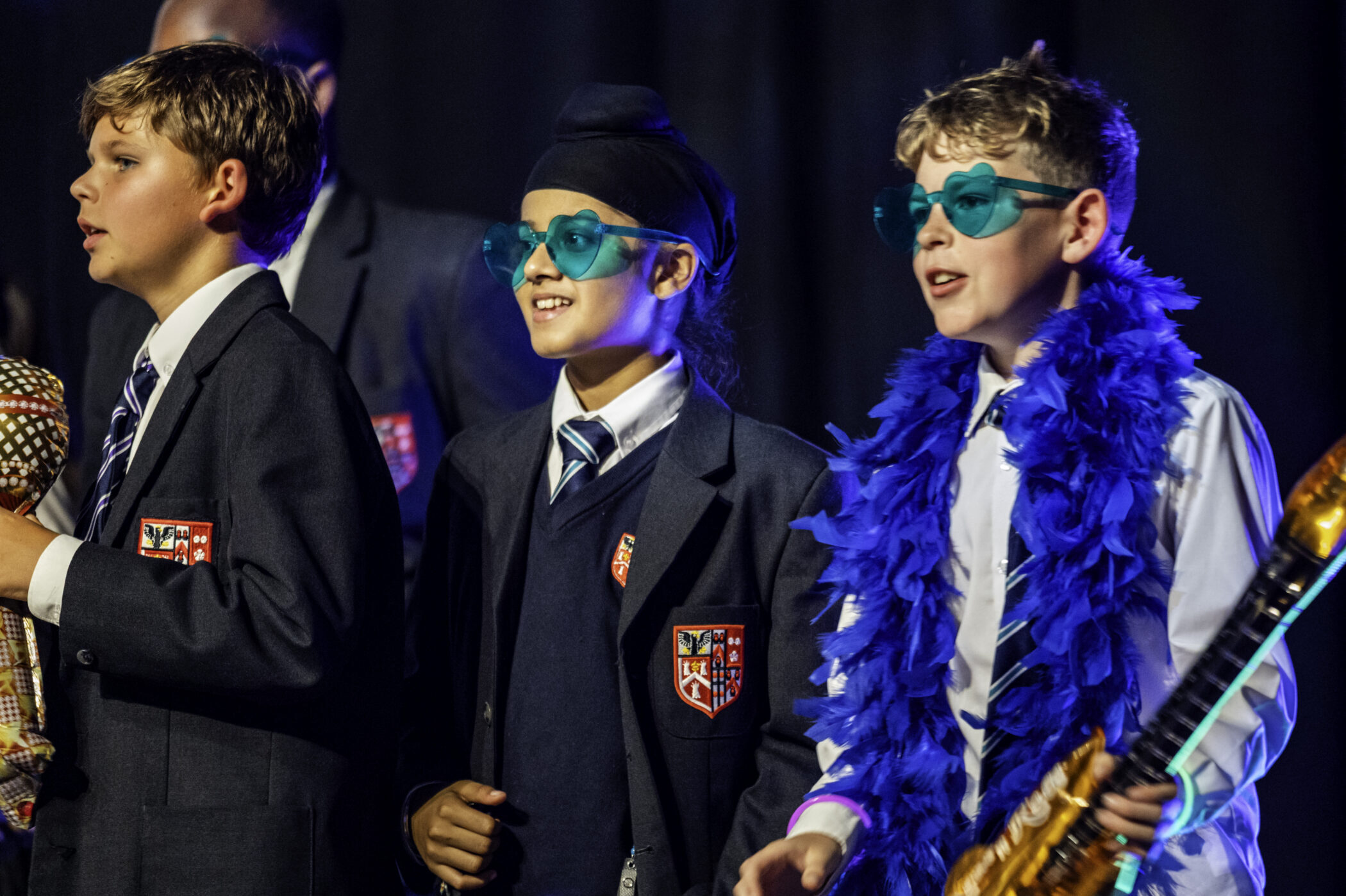
Performance can also build confidence. Preparing carefully and then playing or singing in front of other people gives pupils tangible evidence of what sustained effort can achieve.
That confidence can extend beyond music, particularly when pupils encounter challenging academic work or unfamiliar situations.
Does learning music improve children’s grades?
Research has identified associations between music education and areas including cognitive development, language, memory, and academic achievement. However, it is important to interpret these findings carefully.
Children who learn music may differ from other pupils in many ways, and academic performance is affected by factors including teaching, family circumstances, motivation, prior attainment, and the wider learning environment.
It is therefore more useful to see music as part of a broad education that develops skills and habits which can support academic learning, rather than as a guarantee of higher grades.
The educational case for music is also much broader than examination performance. Creativity, confidence, collaboration, self-expression, and enjoyment are valuable outcomes in their own right.
Music at Brentwood School
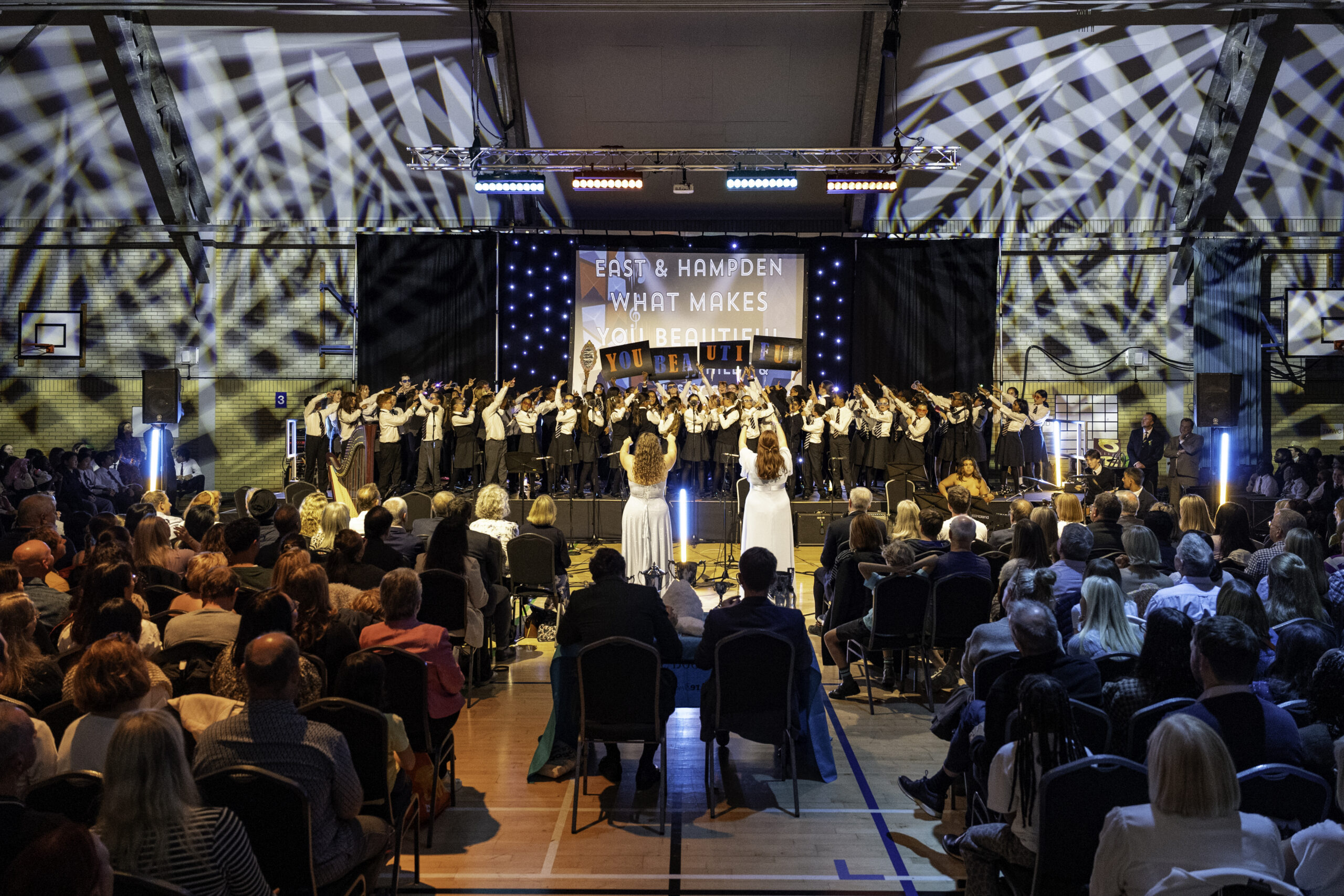
At Brentwood School, music forms part of a broad education in which academic learning, creativity, performance, and personal development complement one another.
Pupils have opportunities to participate in music at different levels, from discovering an instrument or joining an ensemble to pursuing music at a highly advanced level.
For talented young musicians, Brentwood’s Specialist Music Programme provides enhanced opportunities to develop their abilities while continuing with a full academic education.
The School’s partnership with the Guildhall School of Music & Drama further enriches this provision, giving pupils access to specialist coaching and masterclasses with leading musicians.
As an All-Steinway School, Brentwood provides an outstanding environment for pianists, alongside opportunities for orchestral, chamber, choral, ensemble, and solo performance.
The Brentwood International Music Competition adds another dimension to the School’s musical culture, bringing together talented young musicians and providing exposure to performance at a high level.
This breadth means pupils can take their music seriously without separating it from the rest of their education. The concentration, discipline, independence, creativity, and confidence developed through music sit naturally alongside Brentwood’s wider academic ambitions.
Underpinned by the School’s ethos of Virtue, Learning, Manners, music contributes to an education designed to develop pupils academically, creatively, and personally.

Choosing a school where music and academics work together
For families comparing schools, it can be helpful to look beyond the number of music lessons available and consider the place music holds within the wider educational experience.
Parents may wish to ask:
- Is music treated as an important part of the curriculum and school community?
- Can pupils pursue music seriously alongside demanding academic subjects?
- What individual tuition and specialist coaching are available?
- Are there regular opportunities to perform individually and with others?
- How are pupils helped to manage musical and academic commitments?
- Is specialist provision available for particularly talented musicians?
A strong music department should allow pupils to develop their musical ability while continuing to flourish academically and participate fully in wider school life.
Frequently asked questions
Does learning an instrument make children better at school?
Can music help with concentration?
Does learning music help with maths?
Can music support language and literacy skills?
Does practising music help children develop better study habits?
Is music still valuable if it does not improve academic results?
Visit Brentwood School
The relationship between music and wider learning is often easiest to understand by seeing how music fits into everyday school life.
Visiting Brentwood School gives families the opportunity to explore the Music Department, meet staff and pupils, learn more about the Specialist Music Programme, and see how musical development sits alongside a broad academic education.
If you are considering Brentwood for your child, we warmly encourage you to arrange a visit and experience the School’s approach first-hand.
Please make an appointment to book a tour of Brentwood School or attend one of our regular Open Mornings.


