
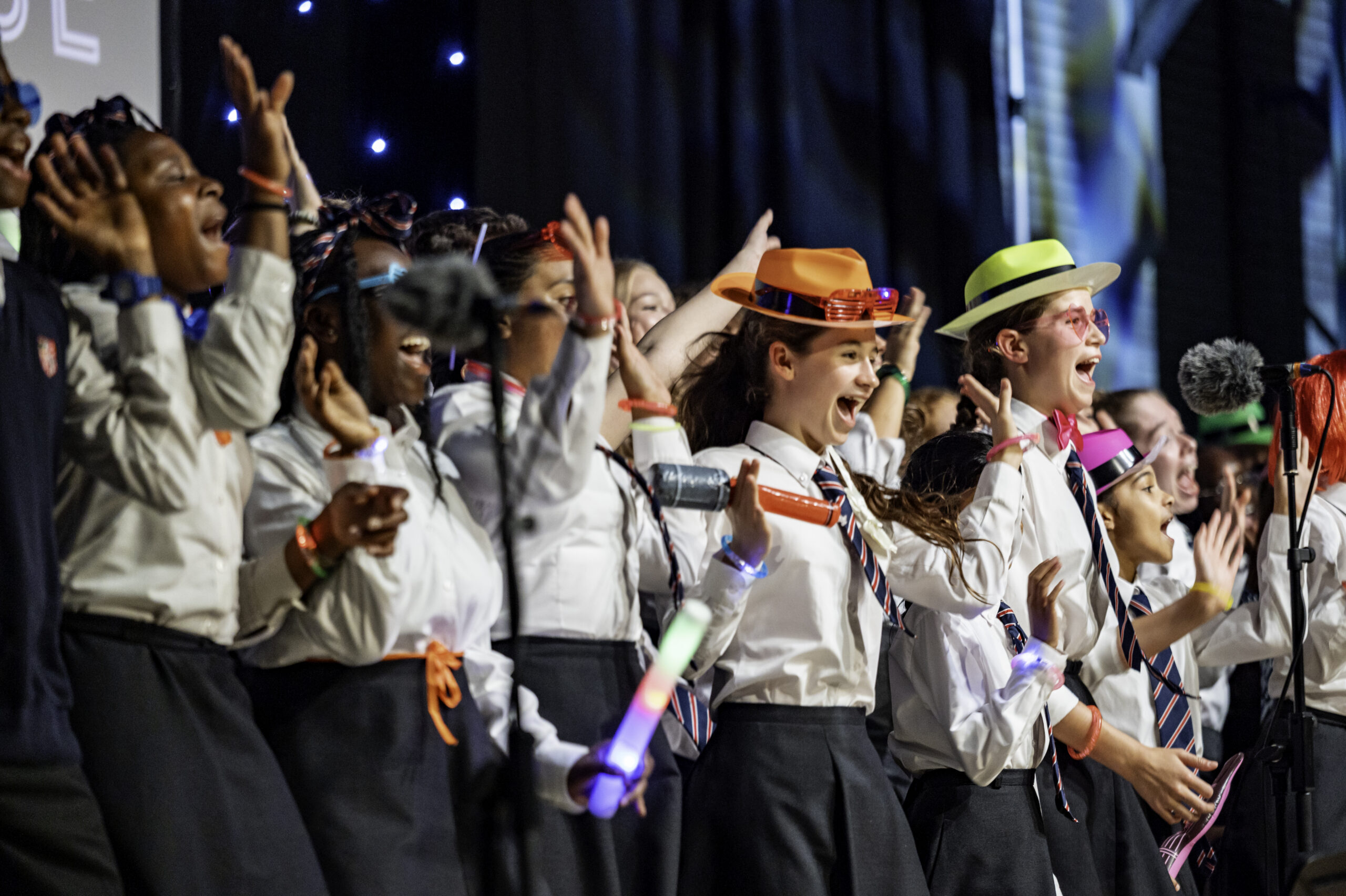
Can music education improve confidence and communication skills?
Yes. Music education can help children develop confidence and communication skills through performance, collaboration, listening, and self-expression.
Learning an instrument or singing gives pupils opportunities to express ideas and emotions, while performing helps them become more comfortable presenting themselves in front of others. Ensembles, choirs, orchestras, and bands also require children to listen closely, respond to one another, and work together towards a shared outcome.
Music education can support children in developing:
- confidence in performing and expressing themselves
- active listening skills
- verbal and non-verbal communication
- teamwork and collaboration
- resilience when things do not go to plan
- the ability to give and respond to feedback
- confidence contributing as part of a group
These skills can become valuable well beyond the Music Department, supporting pupils in the classroom, in friendships, and as they progress through school.
Building confidence through musical performance
Performing music involves putting something you have worked on in front of other people.
For a young musician, that might begin with playing to a teacher or a small group before progressing to an ensemble, concert, competition, or larger audience.
Each experience gives pupils an opportunity to become more comfortable being seen and heard. They learn how to prepare, manage nerves, recover from mistakes, and trust in the work they have done beforehand.
Confidence can develop gradually. A child does not need to begin as a naturally confident performer to benefit from the experience.
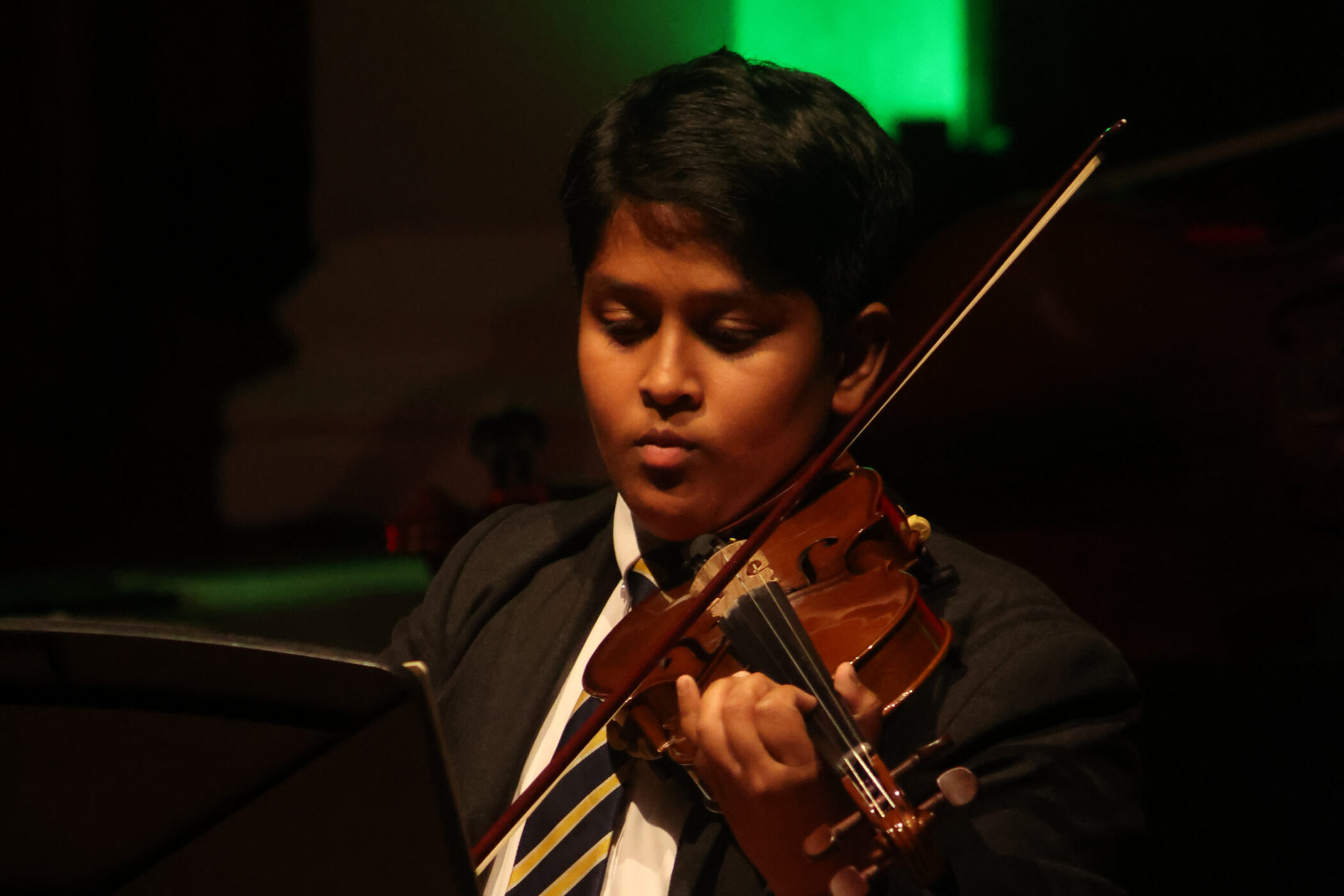
Communication skills developed through music
Musical communication goes far beyond speaking.
When pupils play or sing together, they need to listen to what is happening around them, recognise cues, respond to changes, and understand how their individual contribution fits within the wider performance.
An orchestra, choir, band, or chamber group cannot work effectively if everyone concentrates solely on themselves.
This makes ensemble music a particularly valuable environment for developing active listening, awareness of others, cooperation, and the ability to respond in the moment.
Teamwork, collaboration, and leadership
Making music with other people introduces children to different roles within a group.
Sometimes they will lead. At other times, their role is to listen, support, follow, or adapt.
Rehearsals also require pupils to accept feedback, contribute ideas, solve problems together, and keep working towards a shared goal even when progress takes time.
As pupils become more experienced, they may take on greater responsibility within ensembles, performances, or productions, giving them opportunities to develop leadership alongside collaboration.
Self-expression and creativity
Music gives children another way to communicate.
Through interpretation, composition, improvisation, and performance, pupils can explore ideas and emotions that may be difficult to express in ordinary conversation.
There is also space for individuality. Two musicians can perform the same piece differently, making decisions about phrasing, dynamics, tone, and expression.
Developing that individual musical voice can help pupils become more confident in their own ideas and more comfortable expressing them.
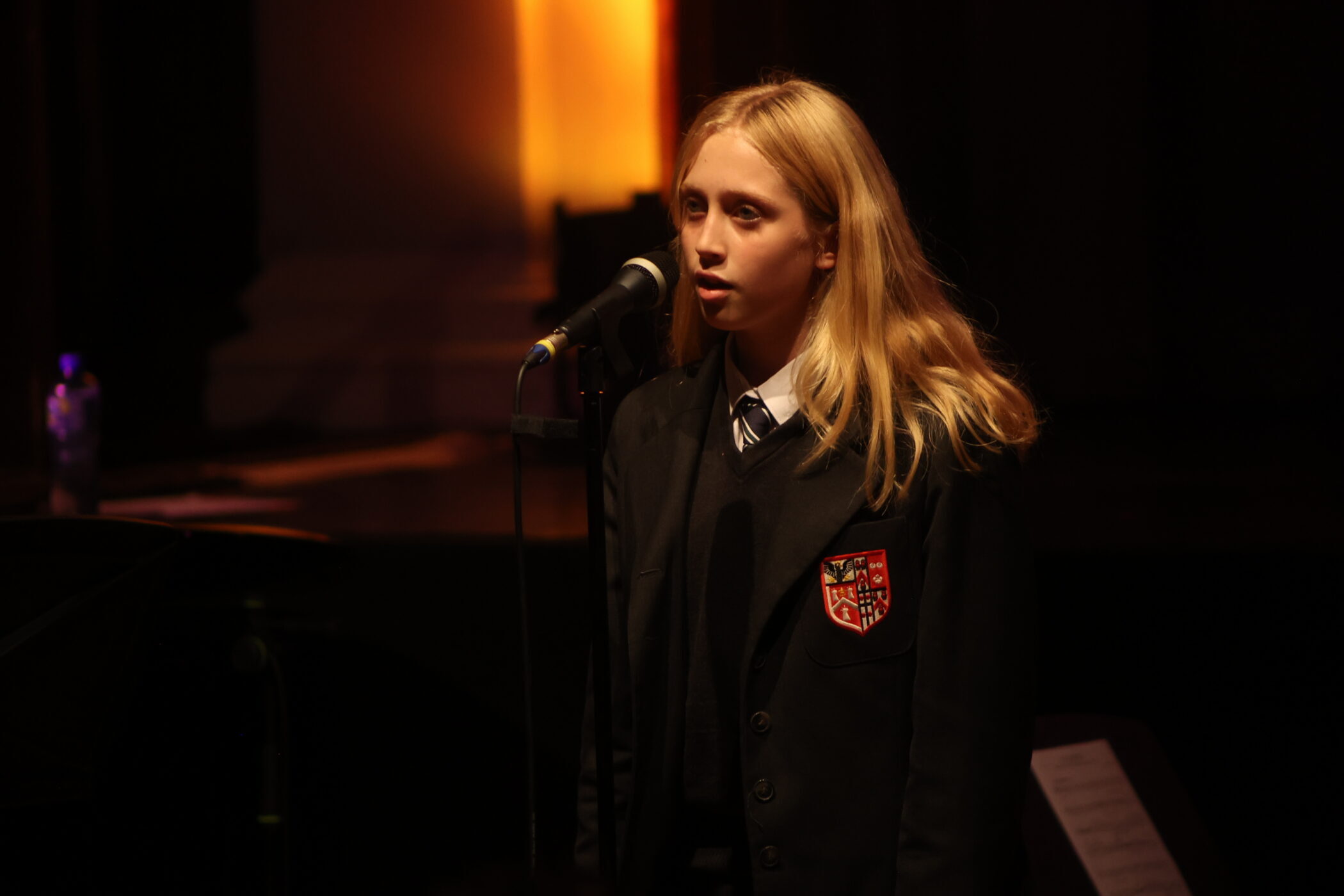
Resilience and confidence when things go wrong
Live music is rarely completely predictable.
A note may be missed. A cue may be misread. A performance may feel different from rehearsal.
Young musicians learn to continue, adapt, and focus on what comes next.
They also experience the longer process of learning something difficult, practising it repeatedly, responding to feedback, and eventually being able to perform something that once felt beyond them.
That experience can give pupils a strong sense of achievement and help them become more comfortable tackling challenges elsewhere in school life.
Choosing a school where music builds confidence
When considering a school’s music provision, parents may wish to look beyond instrumental lessons alone.
A strong music environment should give children opportunities to use what they are learning with other people and in different settings.
Families may wish to consider:
- the range of choirs, orchestras, bands, and ensembles available
- opportunities for pupils at different levels to perform
- whether children can participate without being advanced musicians
- opportunities for solo performance as pupils become more confident
- specialist provision for talented young musicians
- opportunities to work with visiting and professional musicians
- whether music feels visible and valued within wider school life
The breadth of opportunity can be particularly important because children develop confidence in different ways and at different speeds.
Music at Brentwood School
At Brentwood School, pupils have opportunities to experience music at many different levels, from participating in school music and ensembles to pursuing their musical development at an advanced level.
Performance is an important part of that experience. Through choirs, orchestras, chamber groups, ensembles, concerts, and other musical opportunities, pupils learn to perform both individually and alongside others.
For talented young musicians, Brentwood’s Specialist Music Programme provides additional opportunities to develop their ability while continuing with a broad academic education.
The School’s partnership with the Guildhall School of Music & Drama further enriches this experience through specialist coaching and masterclasses, giving pupils opportunities to learn from leading musicians and encounter different approaches to performance.
As an All-Steinway School, Brentwood also provides an outstanding environment for pianists, while the Brentwood International Music Competition brings talented young musicians together through high-level performance.
These opportunities allow pupils to experience different aspects of musical communication – listening to others, performing as part of a group, taking individual responsibility, responding to an audience, and developing their own musical voice.
Underpinned by the School’s ethos of Virtue, Learning, Manners, music forms part of Brentwood’s wider approach to helping pupils develop confidence, character, creativity, and the ability to contribute positively to the communities around them.
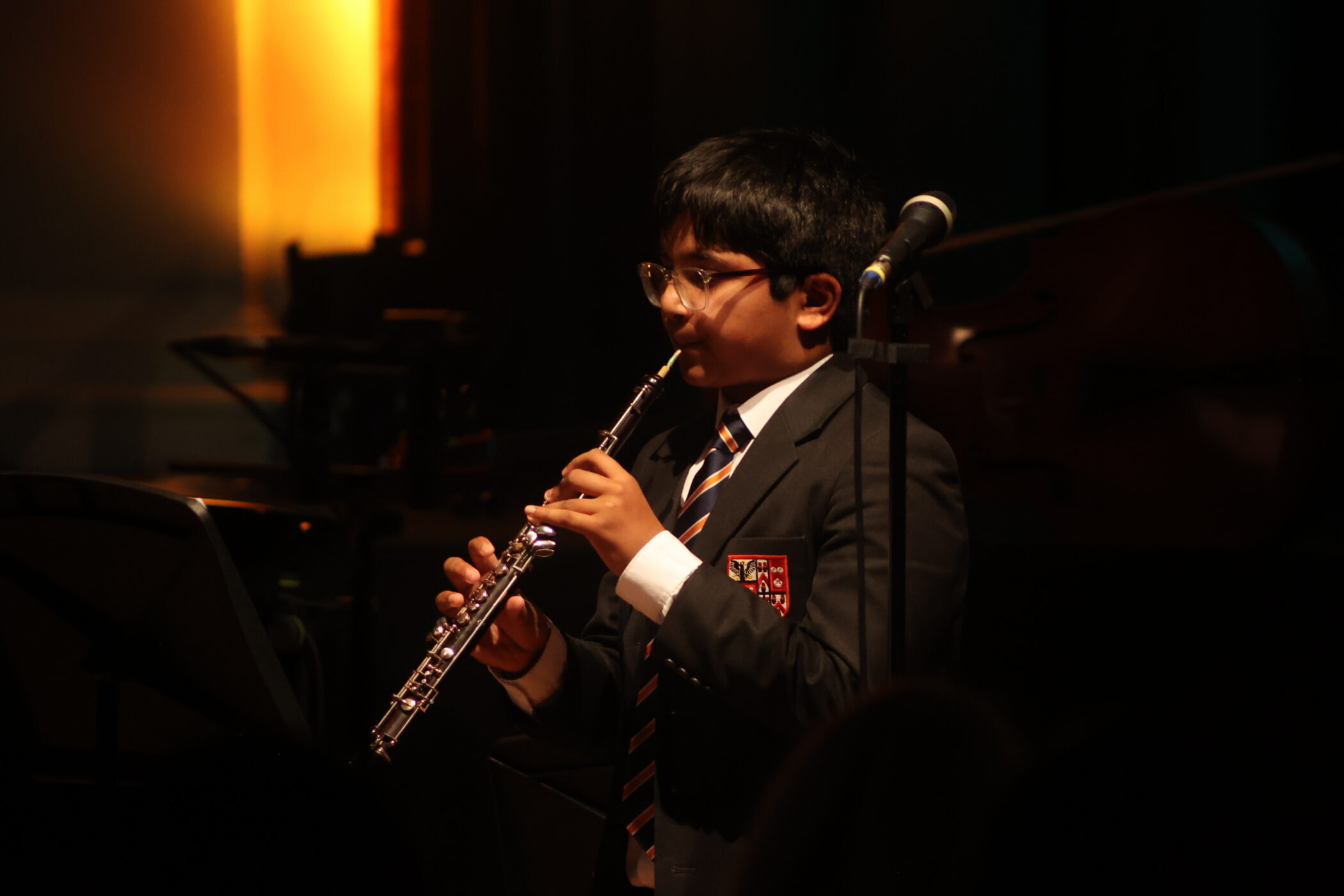
Questions to ask about music and personal development
When visiting a school, parents may find it helpful to ask:
- What performance opportunities are available for pupils at different ability levels?
- How soon are pupils encouraged to join ensembles or choirs?
- Are there opportunities to perform both individually and as part of a group?
- How are less confident pupils encouraged to participate?
- What leadership opportunities are available within music?
- How does the school support talented musicians who want to progress further?
The answers can reveal a great deal about whether music is simply taught as a subject or forms a meaningful part of wider school life.
Frequently asked questions
Can learning an instrument make a child more confident?
Does performing music help with public speaking?
Can music help shy children become more confident?
Why are ensembles good for communication skills?
Does music help children develop teamwork?
Do children need to perform solos to benefit from music education?
Visit Brentwood School
Seeing music in action can give families a much clearer sense of its place within school life.
A visit to Brentwood School provides an opportunity to explore the Music Department, meet staff and pupils, learn more about the Specialist Music Programme, and discover the performance and ensemble opportunities available.
If you are considering Brentwood for your child, we warmly encourage you to arrange a visit and experience the School’s musical community first-hand.
Please make an appointment to book a tour of Brentwood School or attend one of our regular Open Mornings.


