
How do parents choose the right independent school for their child?
Choosing an independent school is one of the most important decisions a family will make. For many parents, the challenge is not a lack of options, but knowing how to assess what really matters for their child – both now and in the years ahead.
While every family’s priorities are different, taking a structured, thoughtful approach can help parents make a decision that feels informed, confident, and right for their child.
Understanding what matters most for your child
The starting point is always the child themselves. Academic ability, personality, interests, confidence, and wellbeing all play a role in determining the type of environment in which a child will thrive.
Some children benefit from a highly structured setting, while others flourish where there is greater flexibility. Some are motivated by competition and challenge, others by reassurance and steady progression. Understanding how a child learns, socialises, and responds to change is central to choosing the right school.
Looking beyond academic results
Academic outcomes are important, but they are only one part of the picture. Parents may find it helpful to look at how a school supports learning over time, rather than focusing solely on headline results.
Questions to consider include how teaching is structured, how progress is monitored, and how pupils are supported when they encounter challenges. A strong independent school will combine high academic expectations with guidance, encouragement, and a strong pastoral framework.

The importance of pastoral care and wellbeing
Pastoral care plays a significant role in a child’s experience at school. For many families, understanding how a school supports wellbeing, confidence, and personal development is as important as academic provision.
Parents may wish to explore how staff get to know pupils as individuals, how transitions are supported, and how the school responds when a child needs additional guidance or reassurance. A well-structured pastoral system helps pupils feel secure, supported, and able to engage fully with school life.
Considering the school environment and culture
Every school has its own character. Visiting schools, observing lessons, and speaking with staff and pupils can help parents understand whether a school’s ethos aligns with their family’s values and expectations.
Factors such as class sizes, relationships between staff and pupils, expectations around behaviour, and the balance between academic and co-curricular life all contribute to the day-to-day experience of a school.
Thinking about the long term
Choosing an independent school is often a long-term decision. Parents may wish to consider how a school supports pupils as they grow, not just at the point of entry.
This includes how transitions are managed, how independence is developed, and how opportunities expand as pupils progress. Schools that plan education with the long term in mind are often well placed to support pupils through different stages of development.

Practical considerations for families
Alongside educational priorities, practical factors also play a role. Location, transport, boarding or flexi-boarding options, and the rhythm of school life can all influence how well a school fits with family circumstances.
Understanding these practical elements early can help parents focus their decision on schools that are realistically suited to their family’s needs.
How this works at Brentwood School
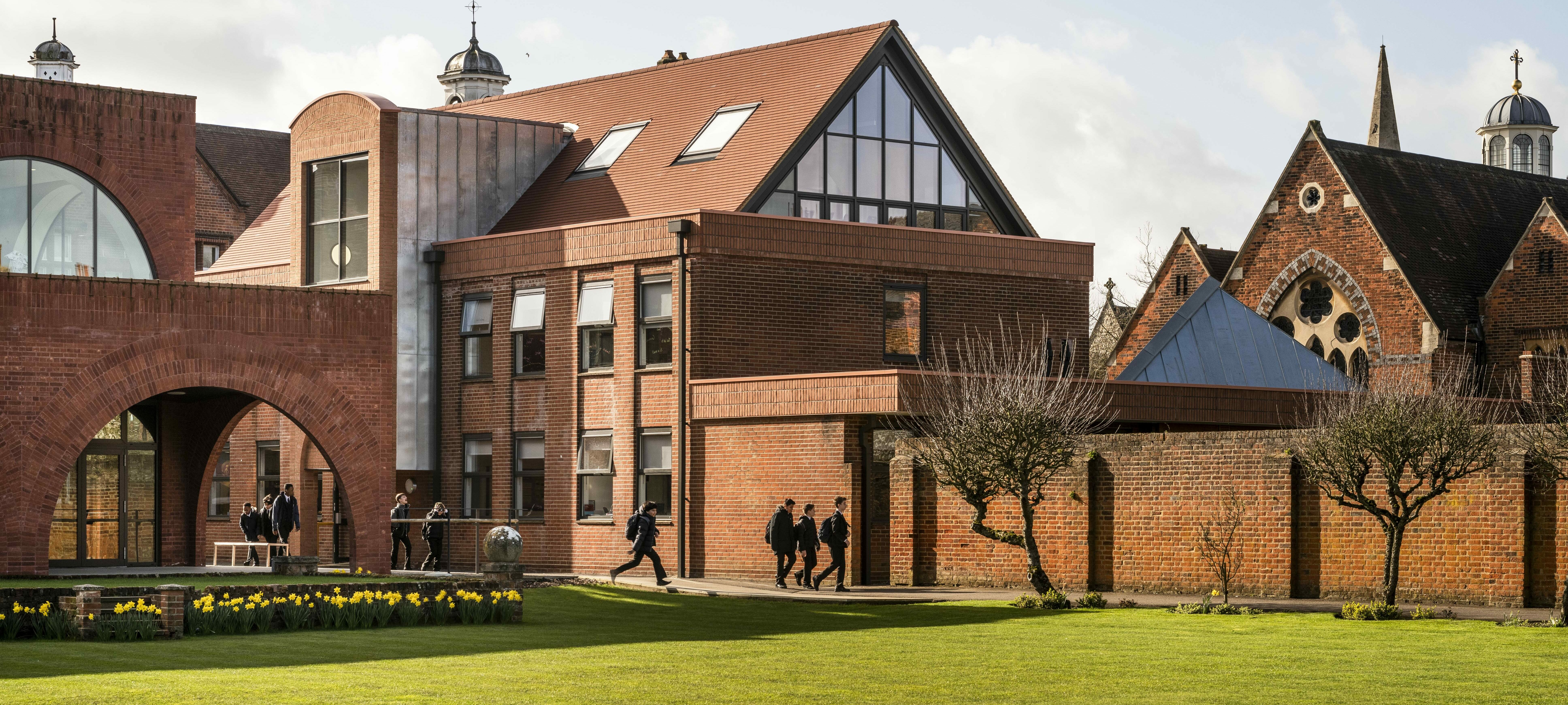
At Brentwood School, families are encouraged to think about education as a journey rather than a series of separate stages. From Prep through to Sixth Form, pupils are supported within a structured, all-through framework that balances academic ambition with pastoral care.
From Year 7 until the Sixth Form, Brentwood School operates as a Diamond Model school. Boys and girls are taught separately in the classroom during these years, allowing pupils the freedom to express themselves and develop individual identity, while social integration is actively encouraged beyond lessons through co-curricular activities and wider school life.
In the Sixth Form, classes are mixed. This transition is designed to prepare students for life beyond school, supporting collaboration, independence, and academic maturity.
Alongside this structure, pupils benefit from access to outstanding facilities, including state-of-the-art boarding and flexi-boarding provision, strong academic pathways, and excellent International Baccalaureate outcomes in the Sixth Form.
Throughout their time at the School, pupils are supported to develop confidence, independence, and a strong sense of purpose.
A considered, long-term decision
Choosing the right independent school involves balancing academic priorities, wellbeing, environment, and long-term fit. Taking the time to understand how a school supports pupils both academically and personally can help parents make a decision that feels right for their child and their family.
Frequently asked questions
How early should parents start looking at independent schools?
Is the “best” school the one with the highest results?
How important is visiting a school in person?
What if a child’s needs change after joining a school?
Visiting Brentwood School
The best way to understand whether a school is the right fit for your child is to see it in person.
Families are warmly invited to attend one of our Open Mornings or arrange a visit to the School, where you can speak with staff, explore the campus, and learn more about how Brentwood School supports pupils at every stage of their education.
Please make an appointment to book a tour of Brentwood School or attend one of our regular Open Mornings.


